

Japan arms exports end an 80-year taboo and create a major strategic inflection The shift combines legal change, record budgets, and political mandate—money meets law Tokyo must pair exports with strict controls or risk a regional arms spiral
Read More
War weakens democracy not by necessity, but by creating incentives for leaders to centralize power The erosion of courts, media, and civil liberties often outlasts the conflict itself Protecting democratic institutions during crisis is a policy choice, not a luxury
Read More
India growth momentum is strong, but its durability depends on education reform Investment gains will fade unless skills systems scale with industry demand The real test is whether growth becomes long-term capability India is in
Read More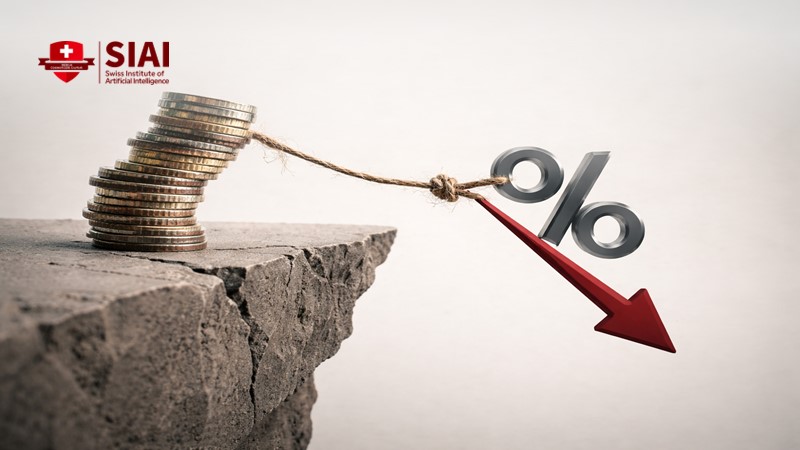
High public debt is weakening the power of the zero lower bound in Europe When fiscal credibility erodes, lower interest rates no longer guarantee stronger growth or stable inflation Europe must rebuild fiscal space and institutional trust if monetary policy is to work again
Read More
China’s domestic deflation is no longer contained; it now reshapes global prices, profits, and financial risk Industrial subsidies extend price pressure, turning a trade shock into a systemic financial spillover Global policy must adapt quickly to manage a deflationary force emanating from the world’s manufacturing center
Read More








German firms adopted generative AI fast, but productivity gains are flattening The next phase is converting adoption into durable agentic AI productivity Education and policy must shift from tools to systems, governance, and measurement
Read More
Davos survives by staging power, not by exercising it Ritualized presence replaces accountability and real decision-making Its persistence reveals deep institutional and educational gaps Inflation no longer creeps; it bolts.
Read More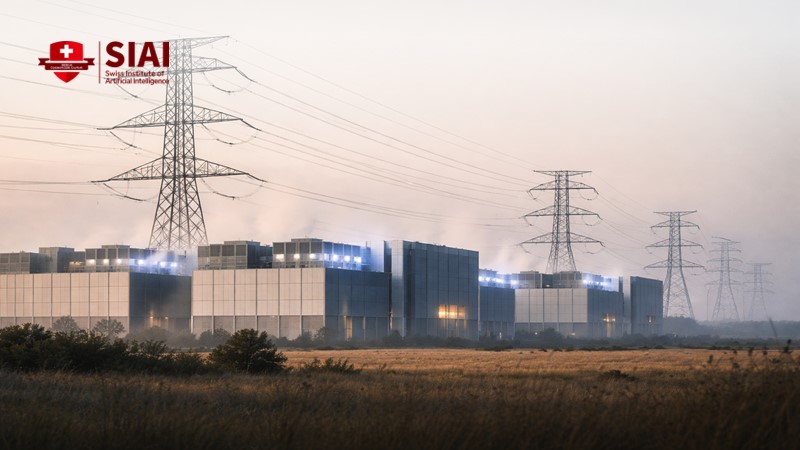
Data centers are not modern factories and rarely create broad local prosperity. They often raise local power costs while delivering few permanent jobs. Only strict public-benefit energy rules can rebalance the deal. The data ce
Read More
Europe’s problem is not a lack of firms, but a system that keeps them small An EU federation is best understood as industrial infrastructure, not constitutional ambition Without enforced market integration, Europe will keep exporting its champions instead of building them
Read More
LLM-powered tutoring is already automating routine teaching at scale The core challenge is redesigning education labor and governance around AI Without reinvestment in human expertise, automation will widen inequality Picture cla
Read More

AlphaGenome is pushing education systems to rethink how AI, genomics, and policy are taught Predictive genomics now demands skills beyond traditional biology Without reform, the benefits will stay concentrated in a few institutions AlphaGenom
Read More
Beliefs shape perception before evidence is even processed Video and data do not correct bias; they often reinforce it Education systems must redesign how evidence is interpreted, not just collected It's not as simple as people seein
Read More
Digital truth can no longer be judged by human sight or sound alone Institutions must certify reality, not just detect fakes after harm occurs Education systems now play a central role in rebuilding trust in evidence In 202
Read More
Europe must thicken AT1 capital buffers even if it permanently lowers bank profits Digital bank runs make thin hybrid capital unreliable in real stress Clear, equity-like AT1 design is cheaper than repeated public rescues
Read More
The rules-based order is breaking into competing systems Asia is building regional frameworks to manage the shift Education and institutions must adapt to fragmented governance The international system we've relied on for dec
Read More

Democracy raises growth most where human capital is already strong Freedom and skills act as multipliers, not substitutes, in economic development Sustained prosperity requires joint investment in institutions and people
Read More
Japan is positioning governance as an alternative to China’s infrastructure power AI rules and institutions are emerging as tools of geopolitical influence Central Asia’s autonomy will hinge more on standards than on concrete
Read More
Federal AI adoption depends on tools and training, not elite titles DOGE proved rapid automation can work but exposed skill gaps Lasting reform requires institutionalized AI, not rollback Getting AI into the
Read More
Delayed investment is the hidden tax of policy uncertainty across all economies Unclear rules turn rational caution into long-term growth loss Predictable policy is not cosmetic reform; it is a core economic growth tool
Read More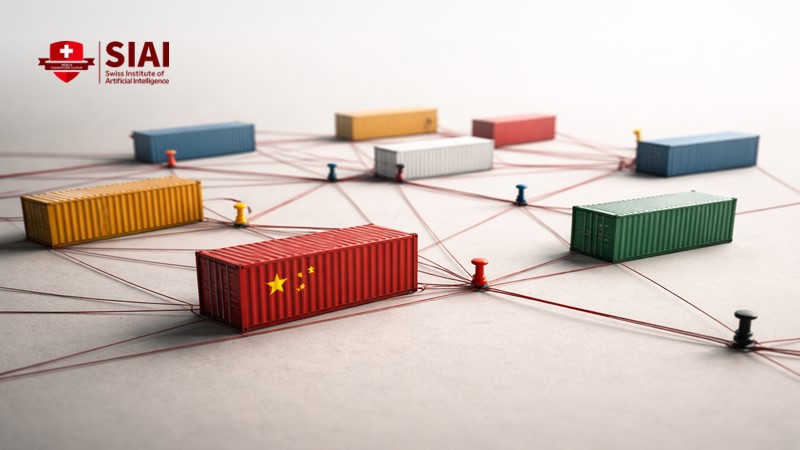
U.S. import diversification masks continued supply chain concentration Much of the shift reflects rerouting, not real relocation True resilience requires tracking value chains, not labels U.S.
Read More